What to Eat in Cyprus: 10 Local Dishes You Must Try
The cuisine of Cyprus is a sun-soaked amalgamation of Greek, Middle Eastern, and Turkish flavors. Rich in olive oil, fresh herbs, wood-fired meats, and ancient sweet-making traditions, this delicious culinary world on a fascinating Mediterannean island offers something for everyone.

Many visitors in Cyprus, especially those staying in Paphos, rarely leave the tourist harbors and resort taverns. Food-wise, this means they spend their meals eating generic Greek salads and mass-produced (possibly) frozen kebabs, completely missing the true specialities of the island.
To help out, we've collected some of the most iconic and unique dishes of Cyprus, how to taste them away from the tourist traps of Paphos Old Town, and how to find even more delicious food around the island. This isn't an exhaustive list of what to eat in Cyprus, but here are the 10 local dishes you must try:
Savory Classics & Street Food Legends
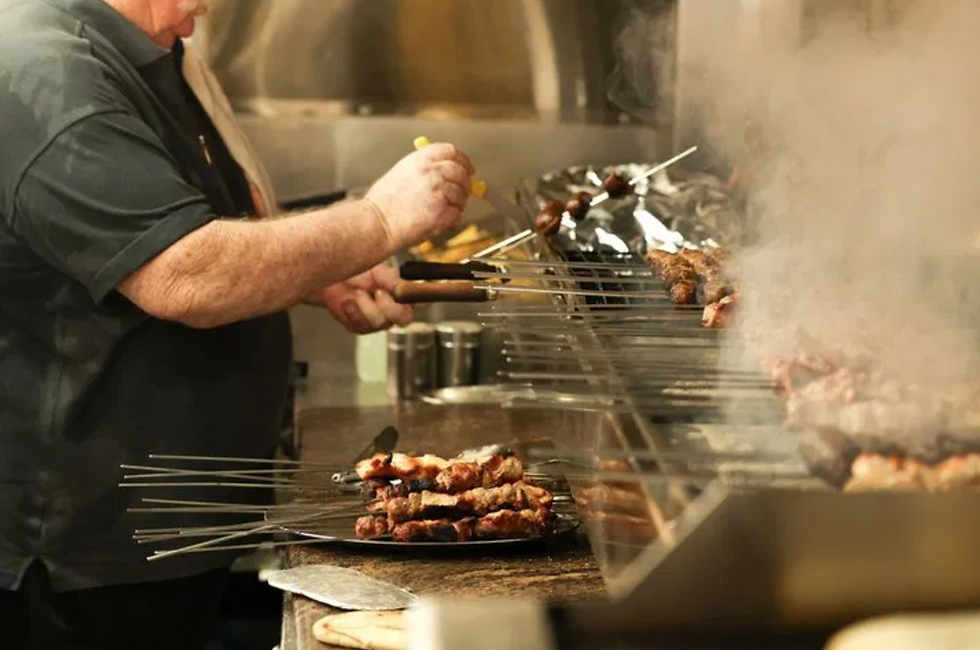
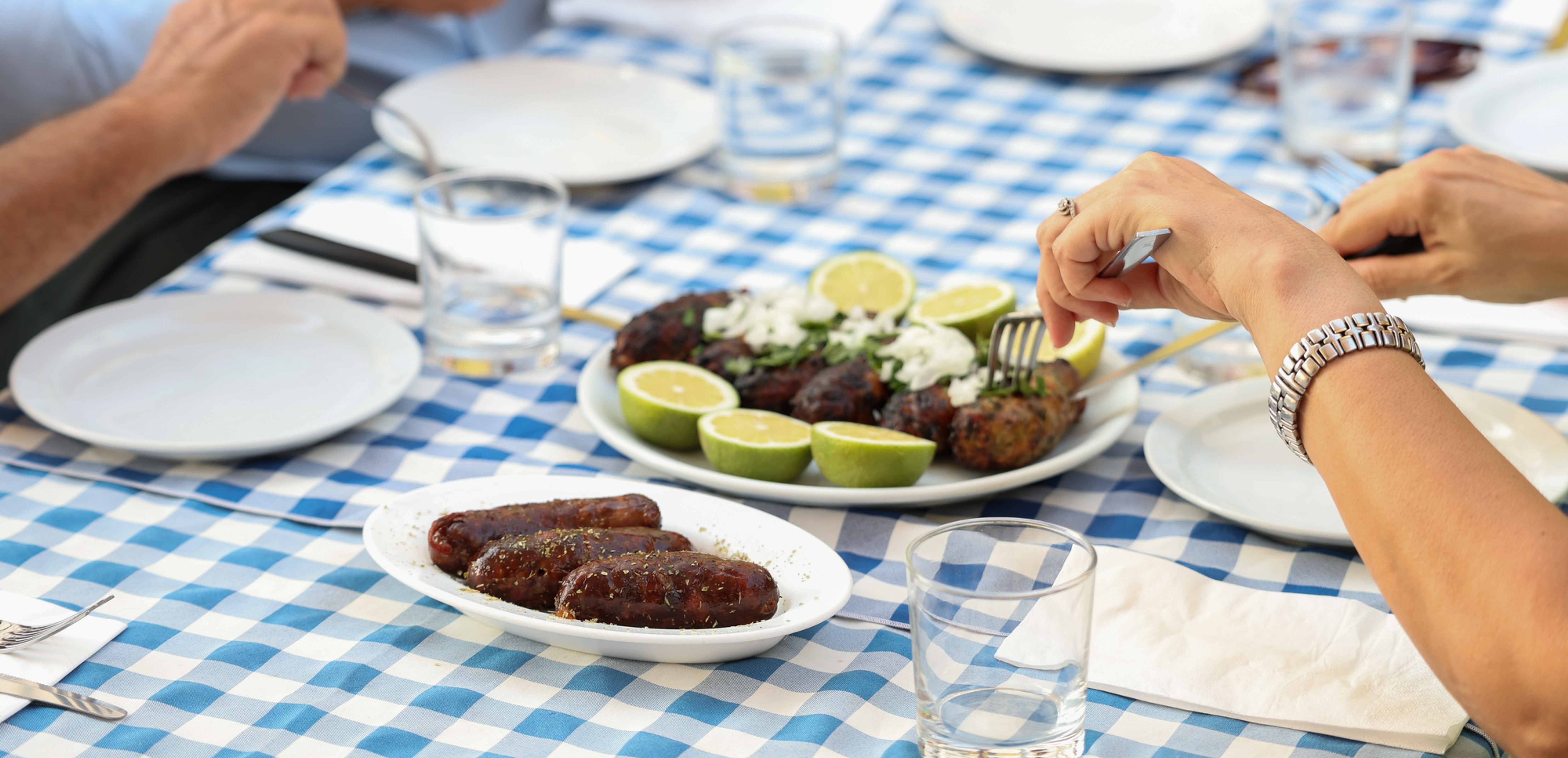
Sheftalia - Cypriot Spiced Pork and Lamb Crépinette
This traditional Cypriot sausage is made of minced pork and lamb, mixed with finely diced onion, parsley, and other spices. Unlike standard sausages with their synthetic, man-made casings, sheftalia is wrapped in caul fat, a thin, web-like, and translucent membrane of pure white fat. As it's grilled over charcoal, the fat melts away, crisping the exterior while keeping the inside extremely juicy. The sheftalia is usually served inside warm pita with fresh tomato, cucumber, and lemon juice.
Kouppes - Crispy Stuffed Bulgur Shells
Cyprus's version of the Middle Eastern kibbeh, this is a torpedo-shaped street snack with an outer shell made from ground bulgur wheat, flour, and spices. Kouppes are stuffed with minced pork or beef, sweet onions, parsley, and warm spices like sinnamon. Then they are deep-fried until golden and crunchy. You can find kouppes at most traditional bakeries and many street food stalls in Paphos Old Town, and it's best eaten fresh with a squeeze of lemon for that hit of acidity.
Afelia - Pork Marinated in Red Wine & Coriander
A classic in Cyprus, this is a deeply comforting and slowly cooked dish. Cuts of pork shoulder (or neck/collar) are marinated in a dry red Cypriot wine and coarsely crushed coriander seeds. Then the meat is seared and simmered in its red wine and coriander broth until incredibly tender. The flavor profile is tangy, earthy, and aromatic with a slightly citrusy crunch from the coriander seeds. Afelia is traditionally served with pourkouri, which is bulgur wheat cooked in a tomato broth with onions.
Cured Meats & Artisan Dips
Hiromi & Lountza - Traditional Wine-Cured Meats
Hiromi is a dry-cured pork leg marinated in red wine, heavily salted, then cold-smoked over mountain herbs like oak or rockrose for months. It is a very rich, dense, and salty cured meat. Lountza is cured pork loin, also marinated in red wine but then smoked with coriander seeds, often served sliced cold or just lightly grilled. Both of these cured meats represent ancient preservation techniques perfected over generations in the Troodos Mountains, in the center of the island.
Tsamarella - The "Secret" Jerky of Cyprus
Another preserved meat from the Troodos Mountains, tsamarella is hyper-regional and won't be found on almost any tourist taverna menu or food tour. Tsamarella is an ancient recipe: sun-dried and cured goat meat preserved with sea salt and wild oregano. It has a dark, deep burgundy, almost black appearance that looks like rustic beef jerky and has a rich, gamey, and herbal flavor. Enjoyed as thin, small cubes alongside a cold glass of Zivania (number 10 on this list), tsamarella is a rare dish tied to dying traditional practices. It's registered as a Slow Food Presidium product to prevent the recipe from going extinct.
Tashi - Creamy Tahini & Warm Pita
While tahini (sesame paste) exists across the Mediterranean, tashi, the version in Cyprus, is unique. Here, they whip the tahini with cold water, raw garlic, lemon juice, olive oil, and crushed parsley. This makes a bright, nutty, and velvety dip that is an essential component of any authentic meal. Paired with warm pita bread or drizzled generously over souvlaki, sheftalia, and salads, tashi is used to cut through the richness of all the grilled meats.
Sweet Treats & Island Spirits
Anari Cheese with Carob Honey & Figs
A soft, mild, and fresh whey cheese similar to fresh ricotta, anari is made during the production of halloumi. Traditionally, anari is served drizzled with carob honey. Known as the "black gold of Cyprus," carob honey (or charoupomelo) is not actually honey but a smokey, midnight-black syrup made from the pods of the indigenous carob tree. Both of these are paired with either ripe local figs or walnuts. Fun fact: carob is the origin of the word "carat" used for diamonds and gold today.
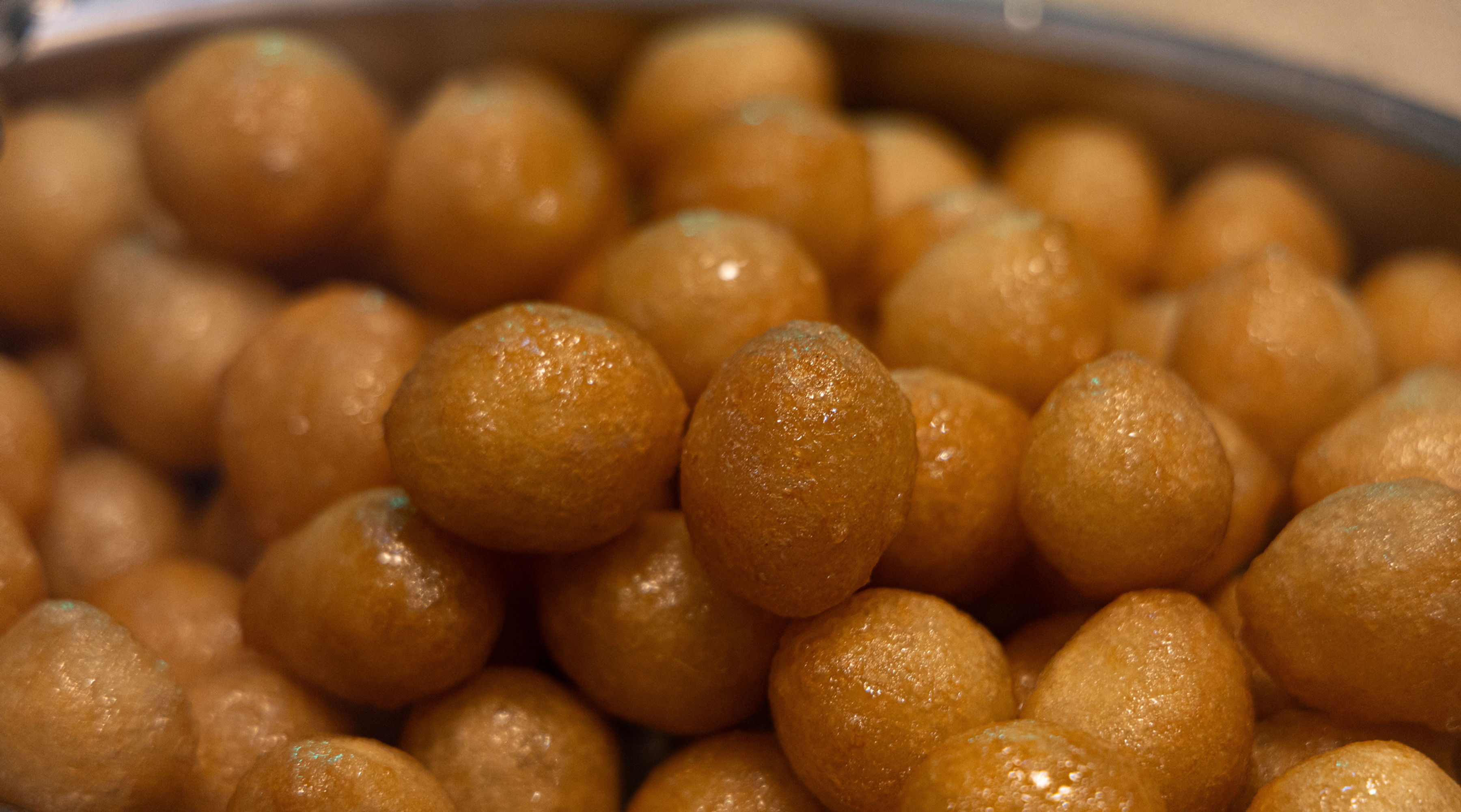
Loukoumades - Golden Honey Puffs
These delicious pastries are deep-fried golden dough balls that are crispy on the outside and airy on the inside. Even though this pastry can be found all over Greece and the Middle East, the Cyprus version has a secret ingredient, mashed potato, keeping the inside pillowy and moist. Loukoumades are prepared for serving by being soaked in warm honey syrup and dusted with cinnamon or chopped walnuts. Our recommendation for the best experience is to eat hot right out of the fryer at a traditional sweet shop.
Mahalepi - The Cooling Rosewater Dessert
Mahalepi is a light and refreshing summer dessert with Middle Eastern roots. It's made by boiling water with either cornstarch or wheat starch until it forms a soft, jelly-like pudding. Then it is chilled before being submerged in ice-cold water and drenched in fragrant rose syrup (triandafyllo) with a few splashes of distilled rosewater (rodostagma) for serving. During the sweltering Mediterranean afternoons, mahalepi is a necessary culinary cool-down.
Zivania - The Island Spirit
Distilled from the grape skins and local wines, using Xynisteri and Mavro grapes, Zivania is the official pomace brandy of Cyprus. It is clear and potent (around 45% ABV) and always served ice-cold. Traditionally, Zivania is offered as a welcoming gesture or a digestif following a meal. Although it arrives in a shot glass, Zivania should be respected: always sipped slowly, never in one large gulp.

How to Taste the REAL Paphos with FoodaQuest
When visiting Paphos, it can be difficult to know if a restaurant is authentic or a tourist commercial restaurant serving homogenized "tourist meze". To eat where the locals eat, your first step is to head up the hill into Paphos Old Town.
To try all 10 of these dishes/drinks, plus six additional specialties you won't find on a tourist menu, including paphitiko pitta, pastourma (spiced beef sausage), and pastellaki (carob-sesame brittle), you need a local guide.
Booking the Paphos Old Town Cypriot Food Tour with local Tastings gets you the chance to try all of these iconic and rare dishes, but with a local telling you the history, village traditions, and stories behind every bite.